Table Of Content
- Tree Testing: A Complete Guide
- What Tech Job is Right for Me? A Comprehensive Guide to Navigating Your Career Path
- The "barrier-free" concept
- Accessibility reports
- Principle 7: Size and space for approach and use
- People to Follow
- Universal design examples in technology
- The Seven Principles of Universal Design

They include universal design, accessible design, barrier-free design, usable design, inclusive design, and design for all. Of the proactive design approaches, there is no approach that addresses greater user diversity than universal design (UD). Universal design principles advocate designing inclusive and accessible spaces and products for all people, regardless of physical or cognitive ability. The universal design philosophy considers the full range of human capabilities to ensure that no one is left out and helps create a more inclusive world. Equitable use implies the provision of the same degree of access, security and safety for all users. The principles also point to flexibility by accommodating a wide range of preferences such as left and right-handed access, provision for different paces of movement and so on.
Universal Design: 11 Tips to Make Your Sites and Apps More Accessible - Shopify
Universal Design: 11 Tips to Make Your Sites and Apps More Accessible.
Posted: Thu, 16 May 2019 07:00:00 GMT [source]
Tree Testing: A Complete Guide
Primary funding for DO-IT is provided by the National Science Foundation, the State of Washington, and the U.S. DO-IT is a collaboration of UW Information Technology and the Colleges of Engineering and Education at the University of Washington. A person who is blind and using a screen reader can access the content in images because text descriptions are provided. Characteristics of any UD product or environment are that it is accessible, usable, and inclusive.
What Tech Job is Right for Me? A Comprehensive Guide to Navigating Your Career Path
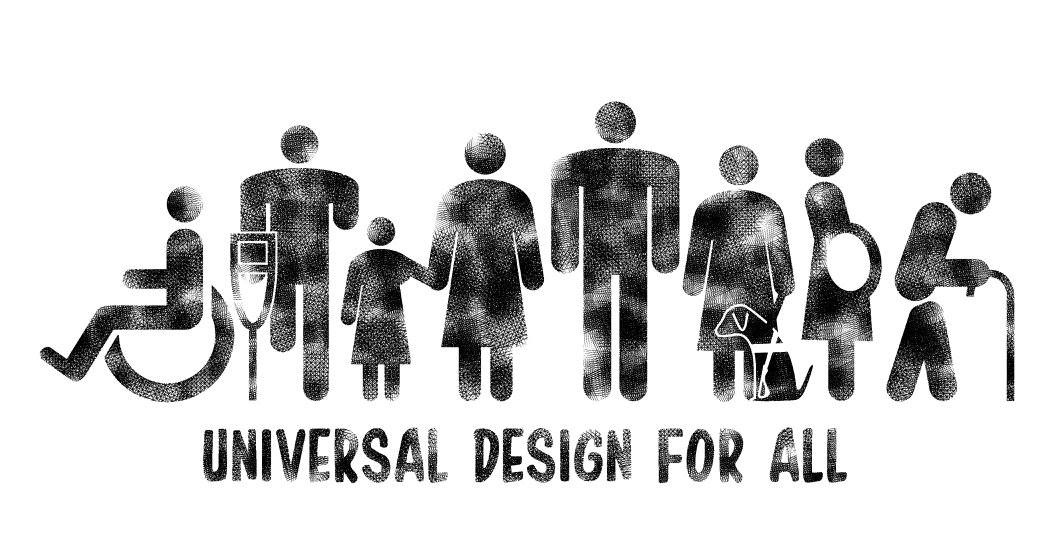
In the bathroom, it could involve a zero-entry or barrier-free roll-in shower, roll-under sinks, and a tilting mirror that can accommodate both sitting and standing users. The key to an inclusive community is the universal design approach to make the public realm accessible to all people. The seven principles of universal design were outlined in the same academic paper in which universal design was defined. Thus, these principles have been around for over two decades and are still considered a useful foundation to apply to any design to ensure it will serve as many people as possible. Despite universal design’s origins in the built environment, it has since branched out and been applied to other kinds of design such as learning and digital technology.
The "barrier-free" concept
Universal design allows people to remain in their homes and communities for as long as possible by creating spaces that adapt to changing needs and abilities over time. Features such as zero-step entrances, bathroom grab bars, and adjustable-height countertops can facilitate daily activities and enhance safety for older adults. This course will help you achieve exactly that—from handling images to getting the most out of ARIA markup, you’ll learn how to approach accessibility from all angles.
Accessibility reports
Be sure to involve individuals from different backgrounds, abilities, and cultures. That way, you’ll gain deep insights into their diverse needs and experiences. With a comprehensive understanding of these user needs, you can start to build towards your design. You’ll be able to accommodate a broad range of experience, knowledge, language, and skills.
Universal design is an approach for designers to make products and services accessible and usable for the largest possible audience without the need for adaptation or specialized design. Designers use its seven principles to create a solution that can cater to as many users as possible. Although applying universal design of instruction (UDI) does not eliminate the need for special accommodations—e.g., a sign language interpreter for a deaf student—it does ensure full access to the content for most students.
People to Follow
By enabling aging in place, the universal design promotes independence, well-being, and a sense of belonging among older individuals, reducing the need for costly renovations or relocation to assisted living facilities. Governs the storage of data necessary for maintaining website security, user authentication, and fraud prevention mechanisms. In that, no matter how it is used, there are minimal errors and minimal consequences for those errors? This is vital for those with differing abilities; they may make mistakes compared to other users but they should not be unduly inconvenience for those mistakes either. Explore more of the Universal Design vs. Inclusive Design aspect in this insightful article by Genís Frigola Universal design, inclusive design, and equity-focused design.
Inclusivity is as much a mindset as universal design, albeit with a broader goal. Inclusivity is the policy of including people who might otherwise be excluded or marginalized. This includes people with handicaps and learning disabilities, as well as diverse populations and minorities. For example, by designing for users with bad internet connectivity, we are being more inclusive of those who are unable to afford high speed internet connections. “Accessible Design” calls for design that includes the needs of people whose physical, mental, or environmental conditions limit their performance.
The Seven Principles of Universal Design
They can also provide valuable insights and guidance throughout the design process. The belief that accessibility and usability go hand in hand is the foundation of universal design. As a designer, you can stretch these to the greatest extent in products or services everyone should be able to access and use. All people have an intersecting identity made up of a variety of these unique facets.
Achieving true inclusivity in design requires a deep understanding of diverse needs and continuous adjustments to cater to those variations. Universal design is often mentioned (or confused) with related concepts like accessibility and inclusive design. While accessibility refers to designs that specifically accommodate those with physical and cognitive disabilities, universal and inclusive design go beyond that. They are both concerned with meeting the needs of as many people as possible no matter their characteristics or identities. Despite all the talks around inclusivity and diversity in all aspects of life, the idea of universal design is still not one that is widespread.
Urban and rural environments designed for all - World Bank
Urban and rural environments designed for all.
Posted: Tue, 10 Aug 2021 07:00:00 GMT [source]
Accessibility reports can be conducted by usability or UX professionals, based off sites like the WCG Accessibility, Usability, and Inclusion standards, or created as a result of usability testing. So long as they identify an objective or goal, and then evaluate how the site or app measures up against that goal, they will be a valuable part of moving towards better and better experiences. When we take the time to look at these steps and think about where the user is, we also consider what he’s thinking, and how he’s physically moving, speaking to, or tapping the screen. That takes us to another level of empathy, which is easier to access and feels more tangible than when we stop at personas (great though personas are!). A well-defined user flow adds a level of context, and brings us one step closer to universal design.
Flexibility and adaptability are fundamental universal design principles. So, aim to create an interface that accommodates different user preferences and abilities. These can include features such as adjustable font sizes, customizable color themes, and multiple navigation options.
UD can provide a philosophical framework for the design of all products and environments at all education levels—including technology, teaching and learning activities, academic spaces, student services and professional meetings. The paragraphs that follow flesh out the Framework for applying UD in education (UDE). Important aspects to address include the scope of the application area, definition, principles, guidelines, exemplary practices, and process. This means the design caters to people with a wide range of abilities, ages, backgrounds, physical and cognitive abilities. For digital spaces, this relates to websites, apps and digital assets that can be accessed by everyone.
While the advancement in medicine made it possible for them to live longer lives, there wasn’t enough infrastructure that was entirely accessible to them. Veterans in the United States demanded equal rights for themselves, leading to the establishment of the Americans with Disabilities Act in 1990. We would be remiss not to highlight the variety of guidelines and techniques provided by W3C. Their guidelines include a checklist of how to meet WCAG 2.0 (recommendations for making Web content more accessible), and their techniques include many detailed technical explanations as well as interface recommendations.


No comments:
Post a Comment